
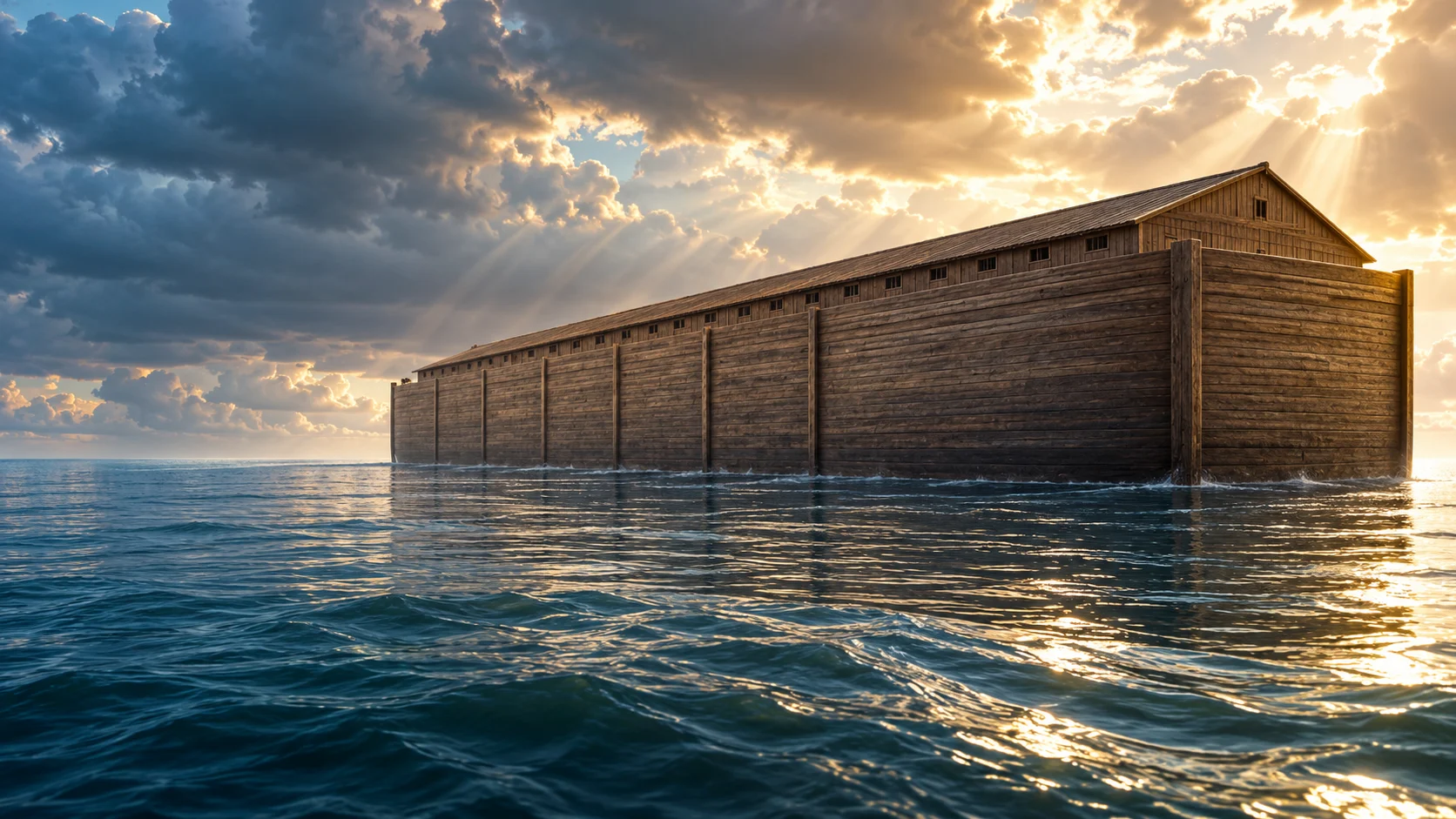
We often begin Noah’s account with the animals or the rain. Genesis begins by showing us why judgment came and where hope was found.
Read Genesis 6:1–10 first. Notice the contrast between the condition of humanity and Noah’s relationship with God. Then follow the passages below as we consider what that contrast means.
1. God sees more than outward appearances
Read Genesis 6:1–10 in the NKJV ↗
The first ten verses move from a growing human population to God’s assessment of humanity. Verses 1–4 contain details that have raised many questions, but verses 5–7 make the central problem clear: human wickedness had become pervasive. The account reaches beyond outward behavior to the intentions of the heart.
God’s grief in verse 6 shows that evil is not treated as a minor inconvenience. The people He made have turned toward corruption. The judgment announced in verse 7 belongs to that moral setting. Before we consider the water or the size of the ark, we need to hear what the passage says about sin.
This gives us a searching way to read. We can become occupied with what others can see while leaving our motives unexamined. Genesis calls us to take the inner direction of our lives seriously. What are we repeatedly choosing to desire, excuse, and pursue?
2. Noah’s hope begins with God’s favor
Read Genesis 6:8 in the NKJV ↗
Verse 8 interrupts the description of judgment with a different outcome for Noah: he finds grace in the Lord’s sight. The account introduces hope within a passage that has given us every reason to take judgment seriously.
Grace is God’s favor, not a reward that places Him in our debt. Noah does not invent a way to escape the flood or force God to preserve him. God provides the warning and the means of deliverance. As the account unfolds, Noah responds to what God says.
We should not separate that favor from the next verse’s description of Noah’s life. Genesis presents both God’s grace and Noah’s walk with Him. The passage does not ask us to choose between receiving mercy and taking God seriously.
3. Walking with God describes a way of life
Read Genesis 6:9–10 in the NKJV ↗
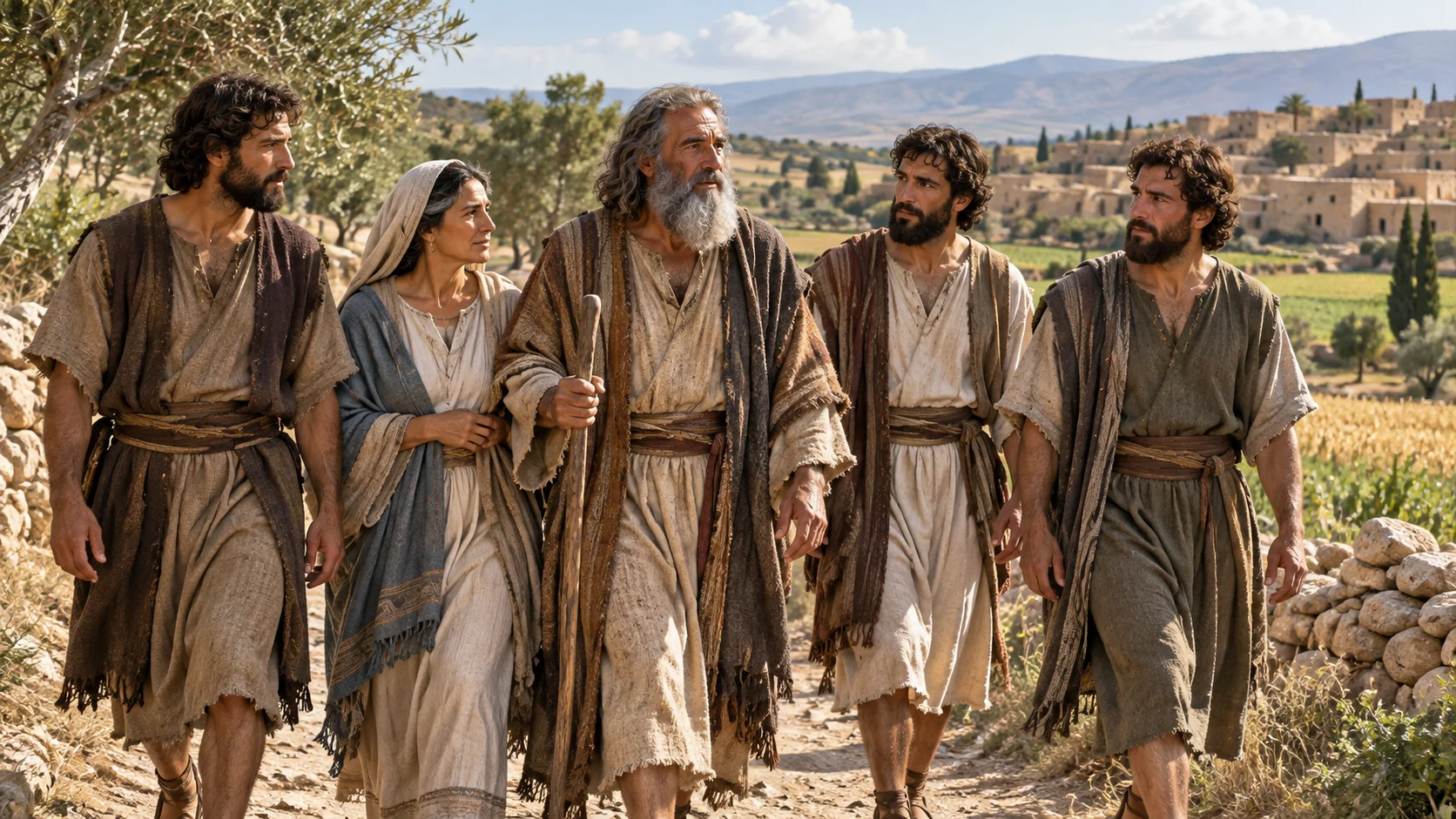
Noah is described as just, perfect in his generations, and a man who walked with God. This is a portrait of integrity in contrast to the corruption surrounding him. It is not a reason to imagine Noah as a person who never needed mercy.
To walk with someone is to share a direction over time. In this setting, walking with God points to the continuing character of Noah’s relationship with Him. Faithfulness is more than being moved by a single moment; it reaches into the decisions that follow.
We can apply that question without pretending our circumstances are identical to Noah’s. Does what we believe about God guide how we treat people, keep our word, and respond to correction? A faithful life is built through such choices. Widespread acceptance of wrongdoing does not make it the direction we must follow.
4. Faith listens and then acts
Read Hebrews 11:7 in the NKJV ↗
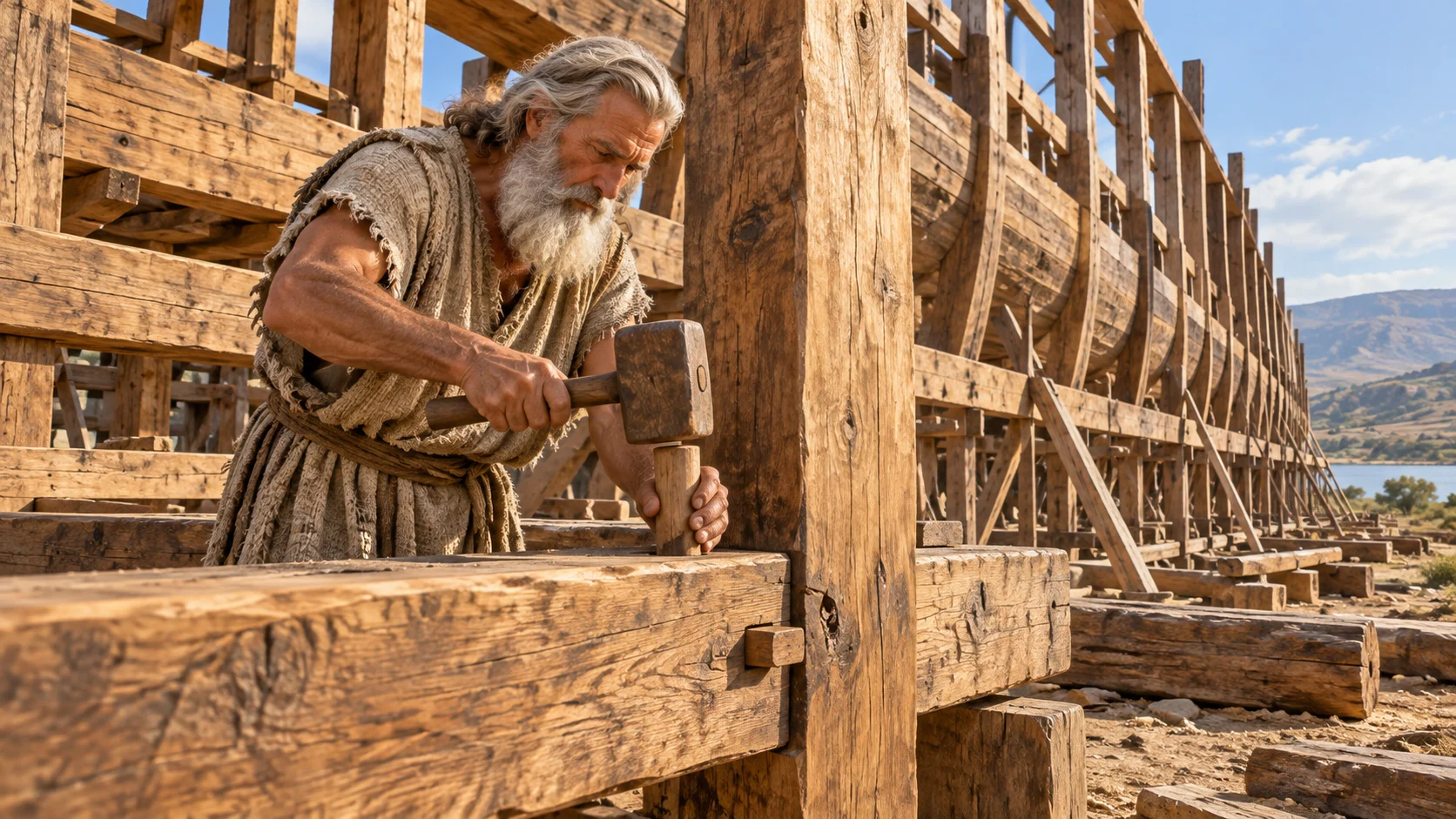
Hebrews looks back on Noah and identifies faith as the reason he prepared the ark. He took God’s warning seriously before the announced events were visible. His response included reverence and preparation, not simply agreement with an idea.
Genesis 6:22 gives the same response from another angle: Noah carried out what God commanded. The details of those instructions belong to our next lesson, but the connection matters here. God’s provision and Noah’s obedience work together in the account. Building the ark did not make God owe him deliverance; it was how he trusted the deliverance God provided.
Our instructions are not Noah’s instructions. We are not commanded to build an ark. The enduring lesson is that trusting God changes what a person does. When His word calls for repentance, honesty, forgiveness, or service, faith has a response to make.
5. Faithfulness matters even when it is uncommon
Read 2 Peter 2:5 in the NKJV ↗
Peter remembers Noah as a preacher of righteousness. That description adds to our understanding of his life, but it does not supply a transcript of his preaching. We should resist filling the gaps with imagined speeches and then treating them as Scripture.
Noah’s example is encouraging without becoming a promise that faithful people will always have comfortable lives. His account includes danger, demanding work, and dependence on God. The point is that God sees His servants and that His word deserves their trust.
As we begin this series, the first question is not whether we could manage the ark. It is whether we are listening to God now. We can acknowledge the seriousness of sin, receive His mercy with humility, and let His teaching direct the next step.
Identify one clear instruction in Scripture that you have been delaying. Consider what trusting God would look like in that situation, and take a practical step in response.
Questions for reflection
- What does Genesis 6:5–7 reveal about God’s view of human wickedness?
- Why is grace essential to understanding Noah’s deliverance?
- What does walking with God suggest about daily choices?
- How do Hebrews 11:7 and Genesis 6:22 connect faith with action?
- What does Scripture tell us about Noah, and what details do we need to leave unclaimed?