
Listen to this lesson
Faith That Builds · Includes questions for reflection.
Download audio (MP3)Faith can sound easy when it remains an idea. Noah’s account brings it into the world of decisions, materials, work, and preparation. God announces what is coming, tells Noah what to do, and gives him a promise to trust.
Read Genesis 6:11–22 before beginning. Notice who provides the warning, who gives the instructions, and how Noah responds. The question is not simply whether Noah agreed with God. It is what trusting God led him to do.
1. God’s warning explains the need for the ark
Read Genesis 6:11–13 in the NKJV ↗
The account describes a world filled with corruption and violence. God’s announcement of judgment is His response to that evil. The ark belongs within this setting: it is a provision for deliverance from a judgment God has announced.
We should resist beginning with construction questions and skipping the moral problem. Violence harms people, and corruption is not hidden from God merely because it has become widespread. The passage asks us to take seriously what God sees, even when a society has grown accustomed to it.
For our own lives, that means popularity cannot settle whether a practice is right. Something may be common in business, entertainment, or conversation and still contradict God’s instruction. Faith begins by allowing His judgment of a matter to correct our own.
2. God provides instructions, not just an inspiring idea
Read Genesis 6:14–16 in the NKJV ↗
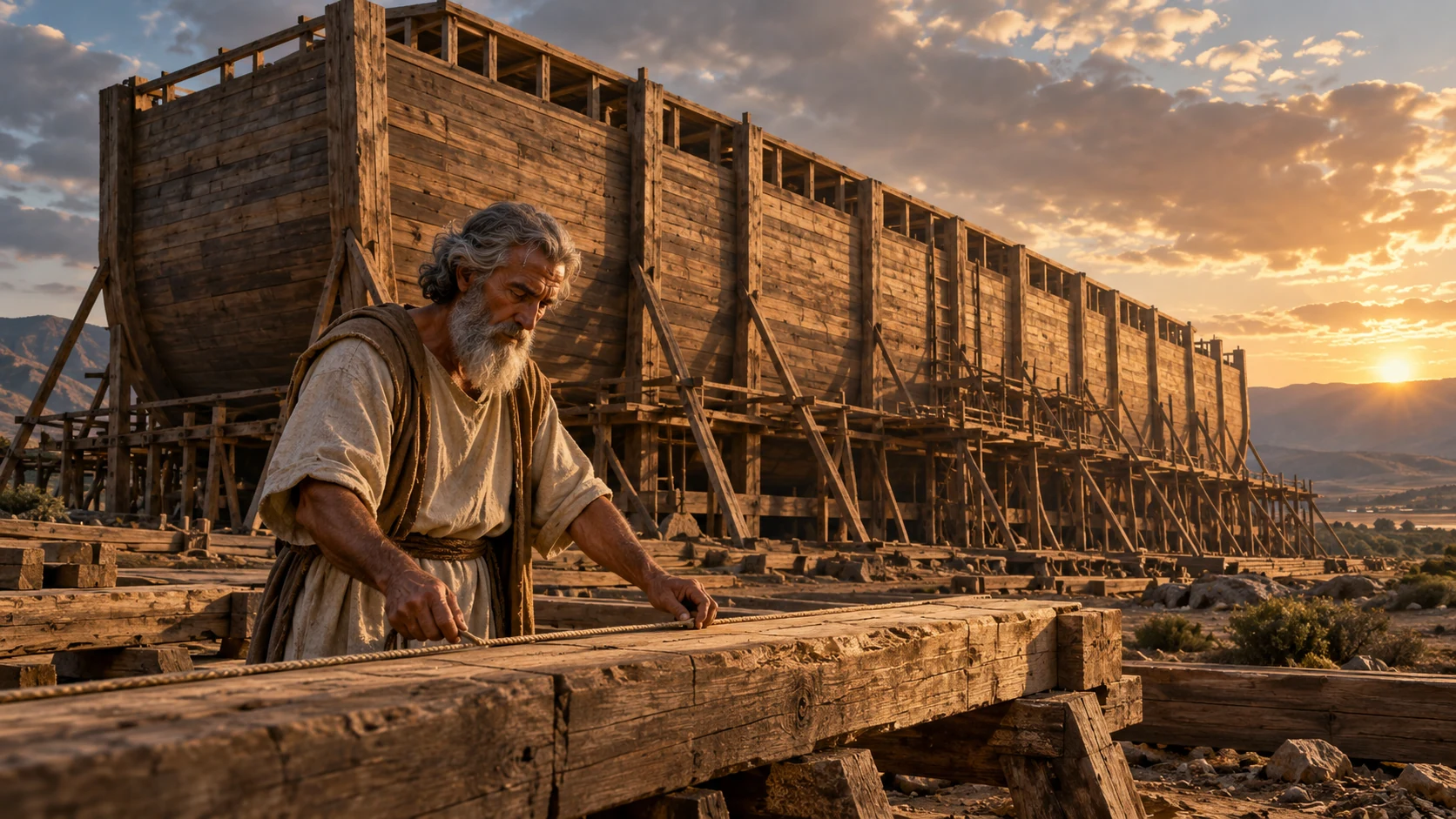
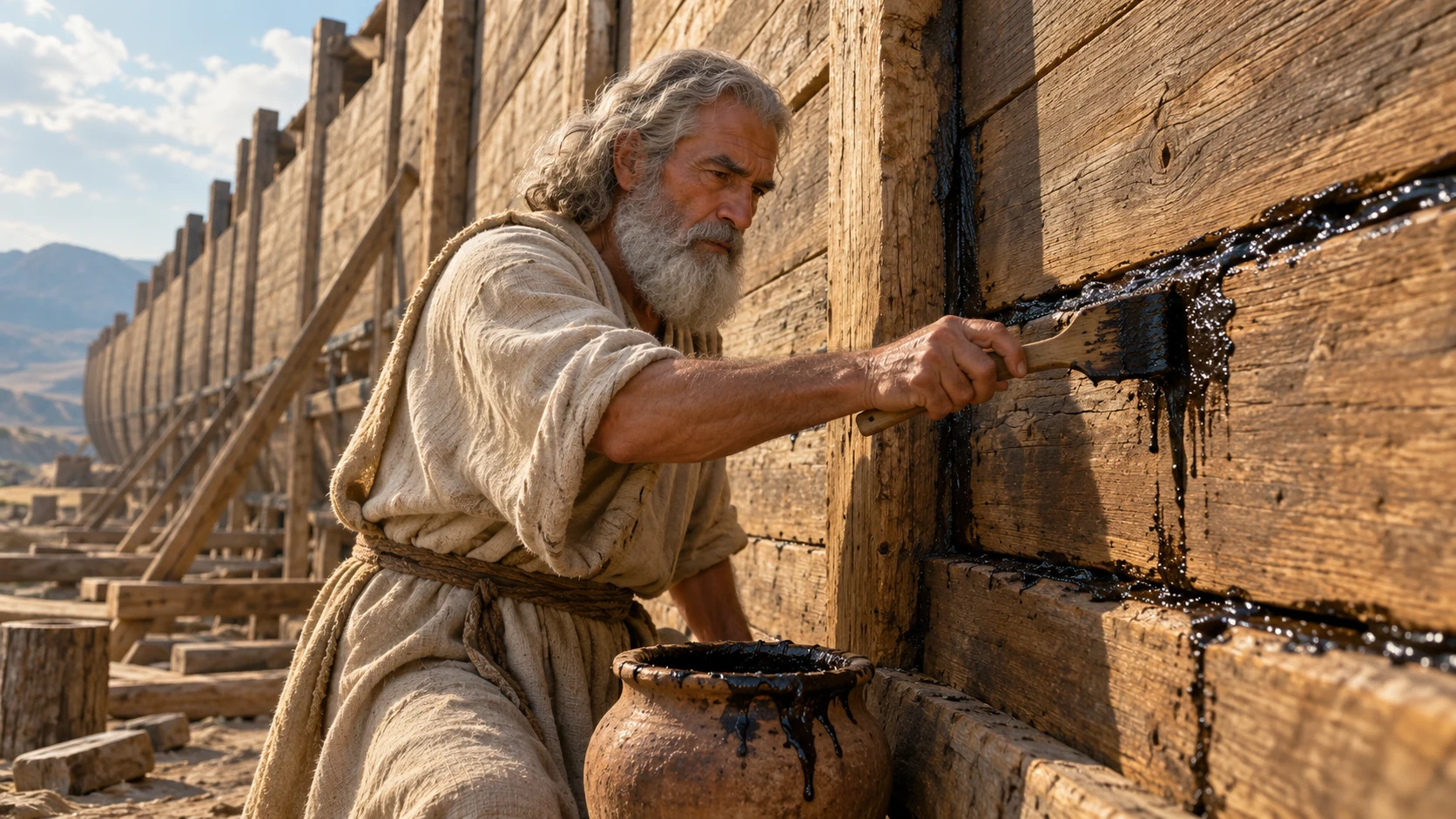
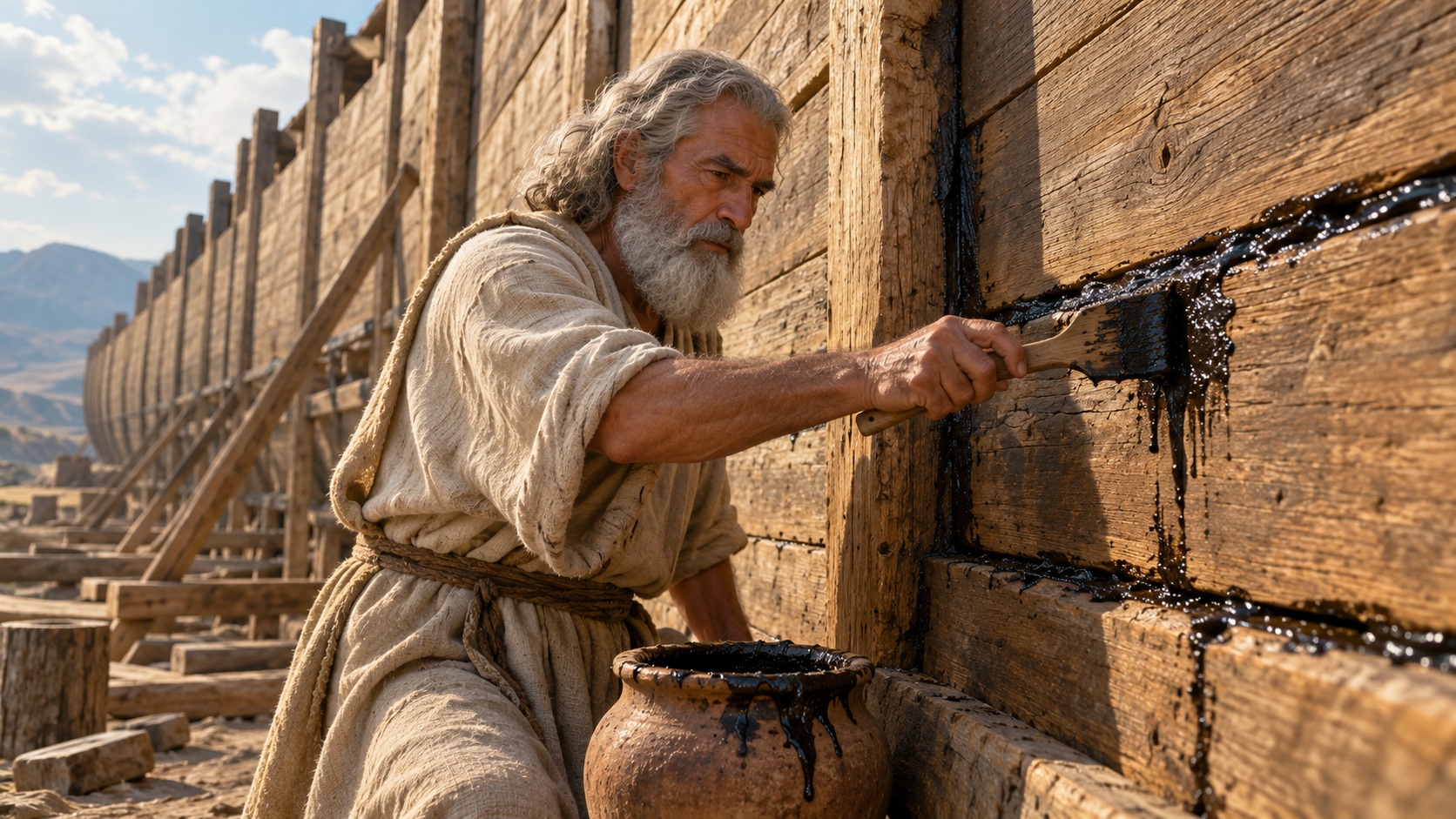
God specifies the ark’s material, its rooms, its covering of pitch, its dimensions, its opening, its side door, and its three decks. The measurements are given in cubits: 300 long, 50 wide, and 30 high. Noah receives a task with real requirements.
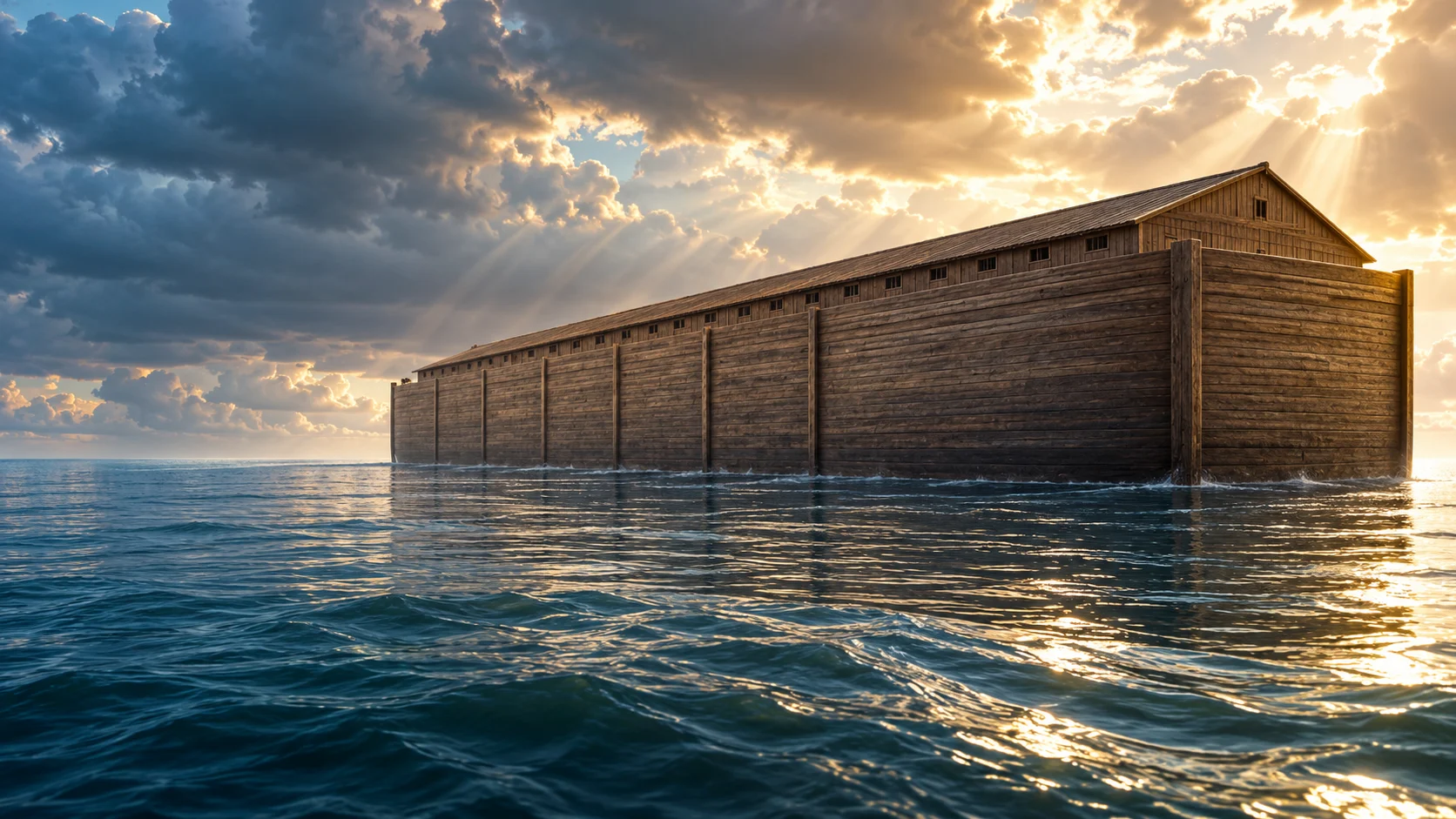
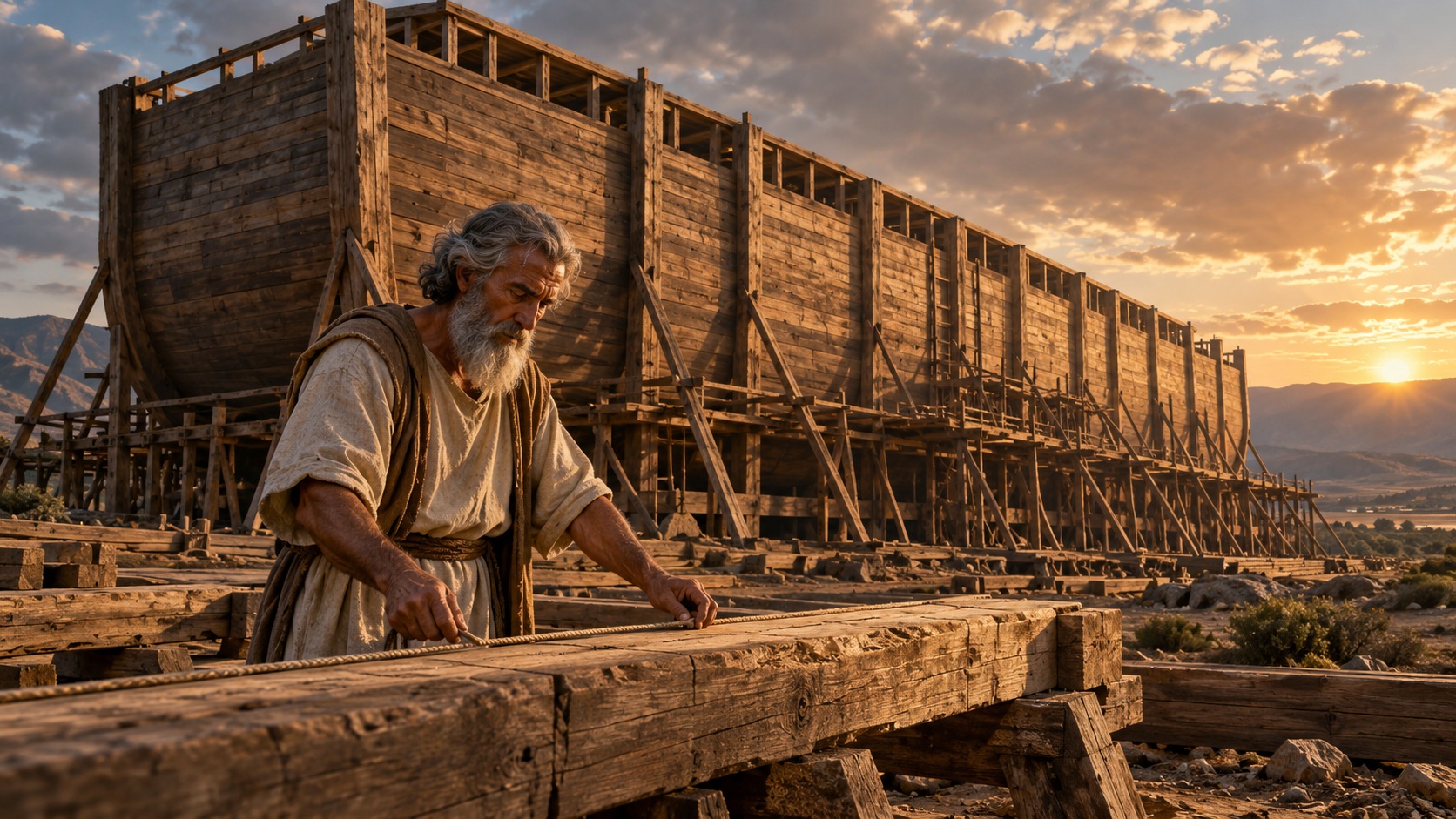
The account does not tell us every construction method or identify the wood in terms of a modern species. We can read the stated details carefully without claiming certainty about details the text leaves open. An illustration may help us picture the work, but it cannot supply additional biblical facts.
The practical question is whether we welcome instruction as readily as encouragement. We may like the thought that God cares for us while resisting a clear command about honesty, forgiveness, or self-control. Noah’s task reminds us that trusting God includes attending to what He actually says, rather than replacing it with what we would prefer.
3. The promise comes from the God who gives the warning
Read Genesis 6:17–18 in the NKJV ↗
God announces the flood and also promises to establish His covenant with Noah. He names Noah’s household as those who will enter the ark with him. The same message that exposes the danger also directs Noah toward the provision God is making.
This does not mean Noah can control the outcome by his own strength. He cannot prevent the judgment or create a different refuge. His responsibility is to receive God’s word and respond to the way God provides.
Our circumstances are different, but dependence on God still matters. Obedience is not a way to make Him owe us a comfortable future. We follow His teaching because He is trustworthy. When doing what is right requires effort or sacrifice, we need to remember whose word we are relying on.
4. Trust makes room for practical preparation
Read Genesis 6:19–21 in the NKJV ↗
The instructions include preserving animal life and gathering food for the people and animals. God’s purpose involves practical needs as well as the structure of the ark. Noah is told to prepare for the life that will be sheltered there.
Trust and preparation are not enemies. Gathering food does not show that Noah doubts the promise. It is part of the response God requires. Likewise, taking responsible action today does not mean we have stopped depending on God.
Consider the responsibilities already within your reach. A person who wants to care for a struggling family can arrange a meal. Someone who wants to learn Scripture can make time to read it. A Christian who values reconciliation can begin an honest conversation. The point is not that every plan we make has divine approval, but that faith should shape the use of our time and resources.


5. Noah’s response is described by what he did
Read Genesis 6:22; Hebrews 11:7 in the NKJV ↗
Genesis closes this section by emphasizing Noah’s compliance with all God commanded. Hebrews looks back on that preparation as an act of faith. His work was a response to God’s warning about events he had not yet seen.
Faith is not reduced to an inward feeling that leaves our choices untouched. Noah’s trust took the form of preparation. Yet the work did not originate the promise or replace the God who would preserve him. Receiving God’s provision and obeying His instruction belong together in the account.
We should also be careful about familiar additions to the story. These verses do not specify the complete workforce, a precise building schedule, or the words of any spectators. We do not need those details to understand the point: Noah took God seriously enough to act.
6. What is your next act of trust?
Read James 2:17–18; Matthew 7:24–27 in the NKJV ↗
James challenges a claim to faith that produces no action. Jesus likewise distinguishes the person who hears His teaching and practices it from the person who hears without doing. Both passages direct attention to the response that follows hearing God’s word.
We are not commanded to build an ark, and Noah’s deliverance is not a promise that our own projects will succeed. We must first understand the instructions that apply to us. The lesson is to obey what God has revealed, rather than borrow Noah’s task or invent a private promise.
Choose one teaching of Jesus that you already understand but have delayed practicing. Perhaps you need to tell the truth, seek forgiveness, help someone in need, or change a habit that harms others. Name a concrete step you can take. Faith that trusts God does more than admire obedience in Noah; it begins to obey God today.
Questions for reflection
- Why does Genesis describe corruption and violence before giving the instructions for the ark?
- What do the details in Genesis 6:14–16 teach us about Noah’s task, and what construction details remain unstated?
- How do God’s promise and Noah’s practical preparation belong together?
- How does Hebrews 11:7 help explain the obedience described in Genesis 6:22?
- What is one clear instruction from Scripture that you can put into practice this week?