
An illustrated Bible study
What Kind of Soil Is Your Heart?
Understanding the Parable of the Sower
In this study
Two people can hear the same passage of Scripture and respond very differently. One dismisses it. Another is excited for a while. Someone else agrees with it but lets other concerns take over. Another receives it and keeps following Christ.
In the parable of the sower, Jesus describes these different responses through four kinds of ground. His explanation invites us to examine something deeper than how often we hear the Bible: what happens to His word after we hear it?
Listen to Jesus’ Explanation
Read Matthew 13:1–9, 18–23; Luke 8:11.
Jesus tells of a sower scattering seed. Some falls beside the path, some on shallow rocky ground, some among thorns, and some on good soil. The results differ dramatically.
We do not have to invent a meaning for these details. Jesus explains them. Luke 8:11 identifies the seed as the word of God. Matthew 13:19 speaks of the word of the kingdom being sown in a person’s heart. The soils picture different ways people receive that message.
The parable turns our attention toward the hearer’s response. Hearing the message matters, but hearing alone does not guarantee a fruitful life. What we do with what we hear matters too.
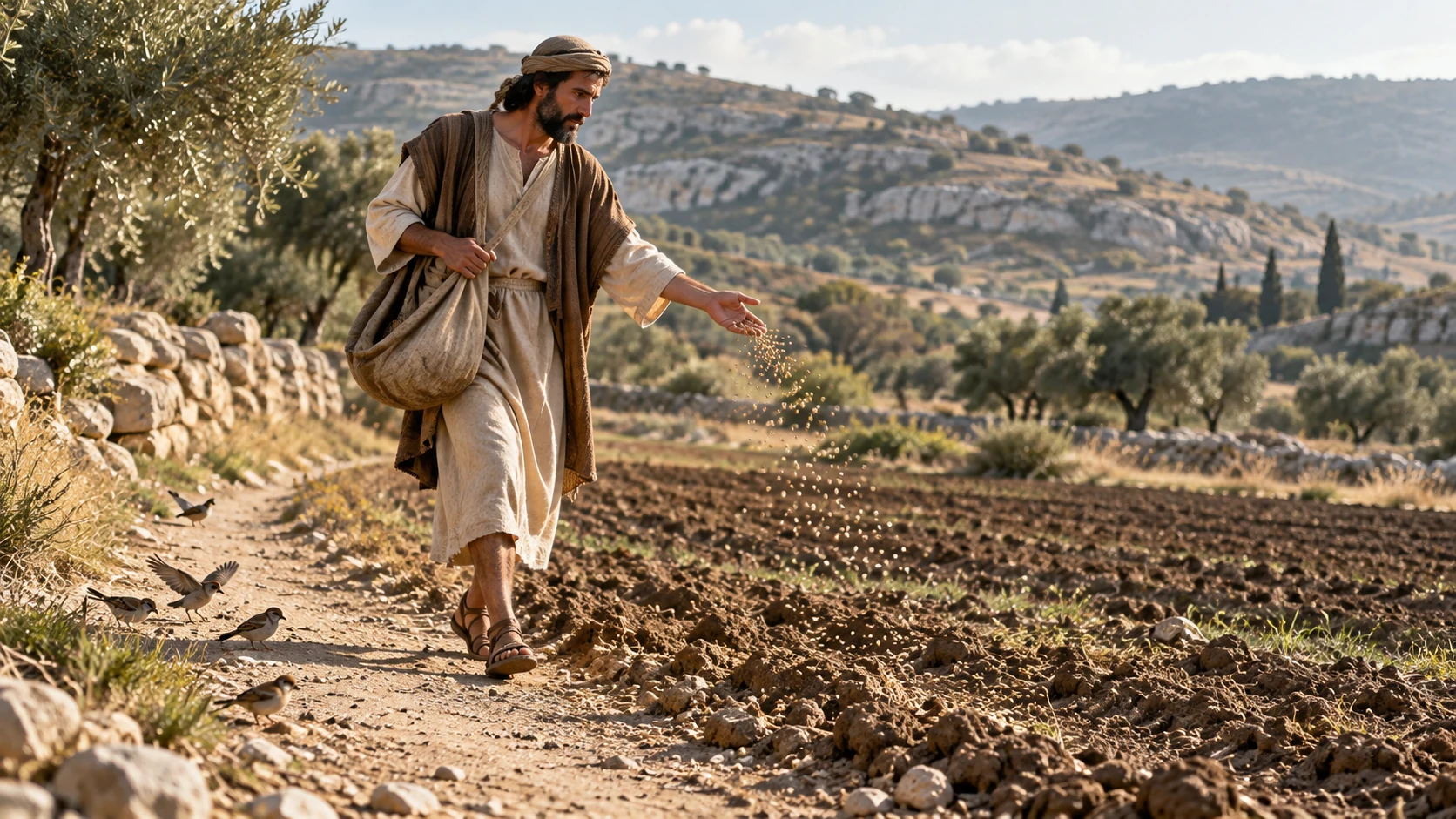
The Wayside: Hearing Without Understanding
Read Matthew 13:19; Luke 8:12.
Seed lying on the path is exposed, and birds take it away. Jesus says this pictures someone who hears the word of the kingdom without understanding it. The wicked one snatches away what was sown in the heart. Luke adds that the devil takes the word away so that people will not believe and be saved.
That is a serious loss. The message reaches the person, but it does not take root in faith. This warning should make us careful listeners rather than quick judges of someone else’s heart.
An honest question is not itself a rejection of God. The disciples asked Jesus to explain His teaching. When we do not understand, we should seek understanding: read the surrounding passage, ask for help, and remain willing to be corrected. Familiarity with religious language is no substitute for understanding the message.
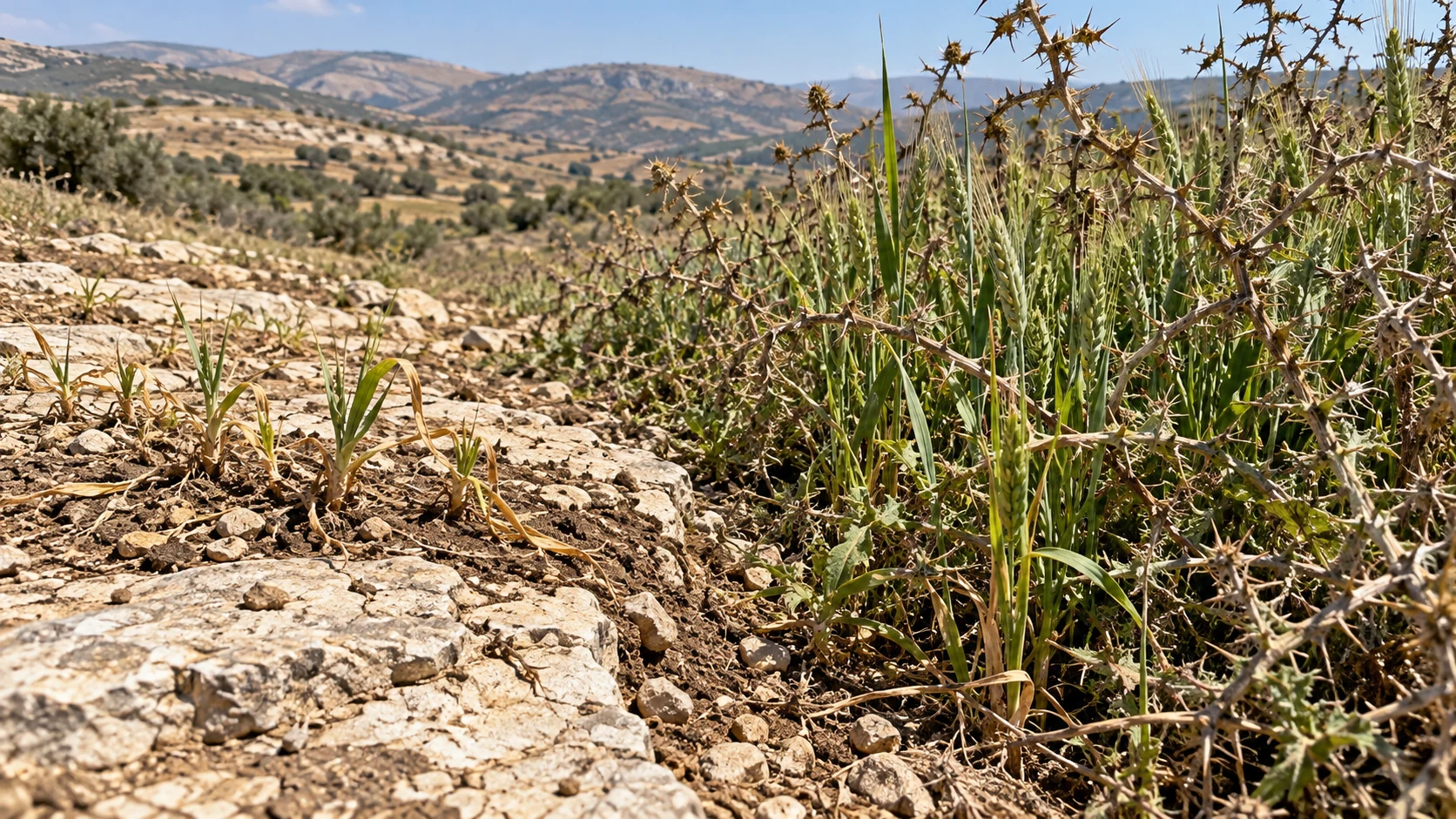
The Rocky Ground: Joy Without Root
Read Matthew 13:20–21.
Here the seed begins to grow quickly. Jesus describes someone who receives the word with joy but has no root in himself. When trouble or persecution comes because of the word, he stumbles.
Joy is not the problem. The problem is that the response does not endure. A beginning that looks promising is tested when faith brings opposition or personal cost.
It is easy to enjoy a message that comforts us. Will we also follow Christ when His teaching challenges our choices, or when others disapprove? Enthusiasm must grow into a lasting commitment to Him. Regular study, prayer, obedience, and encouragement from fellow Christians can help us keep turning toward God when following Him is difficult.
The warning does not mean that a Christian who feels afraid or struggles has already fallen away. It calls us to continue with Christ instead of abandoning His word under pressure.
The Thorny Ground: A Crowded Heart
Read Matthew 13:22; Luke 8:14.
The seed among thorns also encounters an obstacle. Matthew names the cares of this world and the deceitfulness of riches. Luke includes the pleasures of life. These competing concerns choke the word and prevent mature fruit.
This is a warning for a person who has not openly rejected the Bible. We can still speak respectfully about God while giving our attention and loyalty to everything else.
Work, bills, family responsibilities, and planning are real concerns. Jesus’ warning is about allowing such concerns, the lure of wealth, or the pursuit of pleasure to crowd His word out of our lives. Riches deceive when we trust them to provide the security and satisfaction that should be sought in God.
Ask what receives your best attention. When Christ’s teaching conflicts with a habit, ambition, or purchase, which one gives way? Sometimes spiritual fruitfulness requires removing a competing priority, not merely adding another activity to an already crowded schedule.
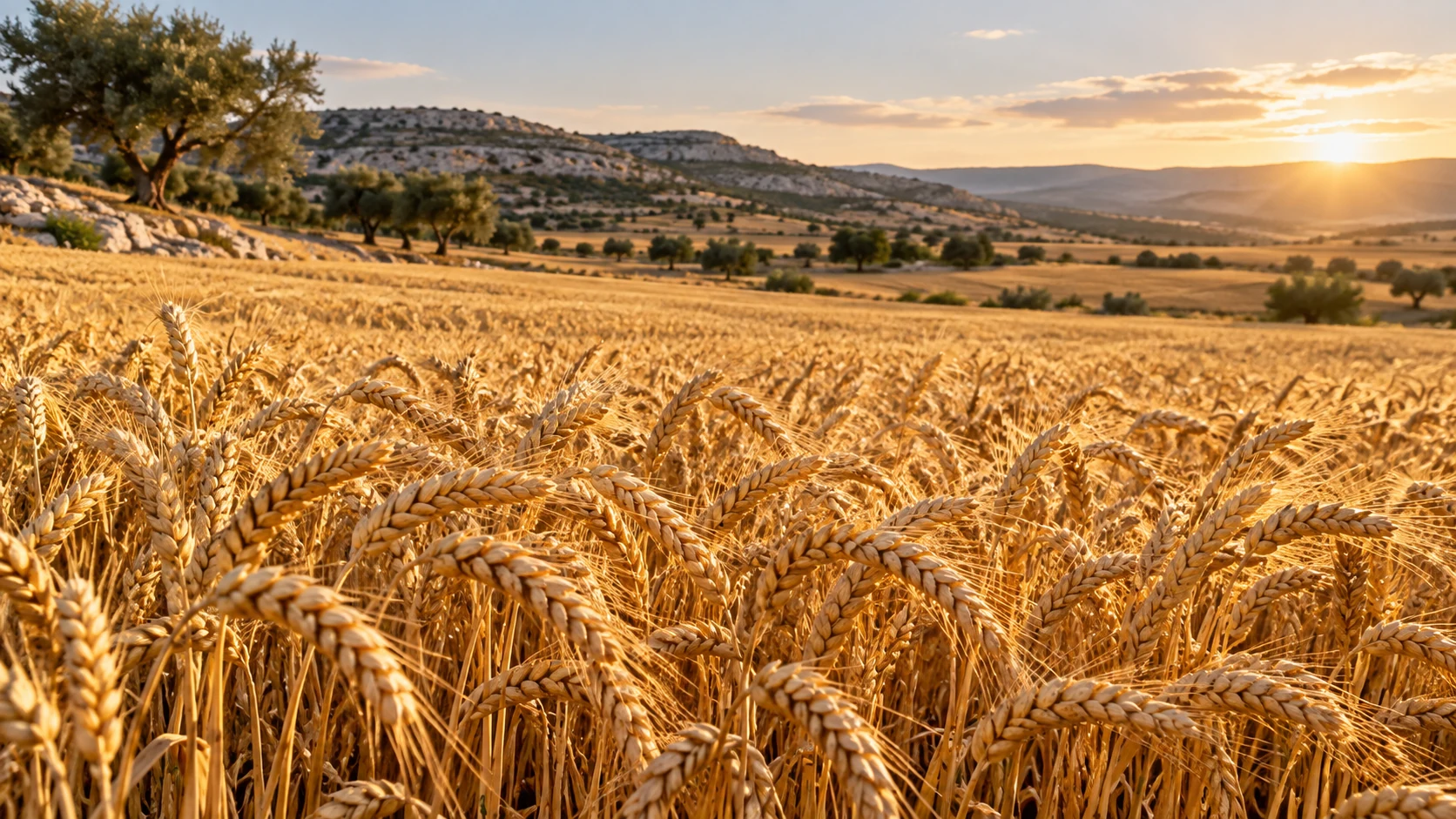
The Good Ground: Holding Fast and Bearing Fruit
Read Matthew 13:23; Luke 8:15.
Jesus describes the good-ground hearer as someone who hears and understands the word and bears fruit. Luke emphasizes receiving it with a noble and good heart, keeping it, and bearing fruit with patience.
Good soil does more than provide a moment of growth. It supports a harvest. In the same way, receiving God’s word involves holding to it as it shapes the direction of our lives.
The harvest is not identical in every case. Jesus speaks of a hundredfold, sixty, and thirty. He does not turn those figures into a requirement to produce a particular number of converts or achieve the same visible results as another Christian. His picture is of fruitful responses to the word.
As we apply His teaching, we should expect more than religious information. We should look for obedience, repentance, love, and perseverance. The patience in Luke’s account also matters: a harvest takes time. The question is whether we keep receiving and living by the word, not whether we can claim instant maturity.
Examine Your Own Response
Read Matthew 13:9; James 1:21–25.
Matthew 13:9 (NKJV): “He who has ears to hear, let him hear!”
Jesus calls for attention and response. James likewise urges us to receive the word and become doers of it. A lesson can be interesting, moving, and memorable without changing the way we live.
Use the soils as a mirror before using them as labels for other people. Where are you refusing to understand? Where has your commitment depended on comfort? What is crowding out obedience? What part of Christ’s teaching are you patiently putting into practice?
Choose one specific response this week: seek help with a passage you have avoided, remain faithful in a difficult situation, remove a distraction that is taking over, or act on a command you already understand. The point is to receive God’s word and keep living by it.
Questions for Reflection
- How does Jesus’ own explanation help us avoid inventing meanings for the parable?
- What is the difference between receiving a message with joy and developing a faith that endures?
- Which cares, ambitions, or pleasures most easily compete with your attention to God’s word?
- How do patience and the different harvest amounts affect the way you think about spiritual growth?
- What specific response to Scripture will you put into practice this week?
Images are AI-generated illustrations of Jesus’ parable.
← All written Bible lessons