
An illustrated Bible study
When More Is Never Enough:
Jesus’ Warning About the Rich Fool
In this study
What would make you feel secure? A larger balance, a better house, a paid-off loan, or enough saved to stop worrying? Material resources can meet real needs. The danger begins when we expect them to provide something they cannot: control over our lives and security before God.
In Luke 12, Jesus tells of a man whose financial future looked excellent. His land produced abundantly, and he had a plan for all of it. Yet God called him a fool. Understanding why helps us examine what we trust and how we use what we have.
An Inheritance Question Becomes a Heart Question
Read Luke 12:13–15.
A man in the crowd asks Jesus to tell his brother to divide an inheritance with him. Jesus declines to act as their judge or arbitrator and warns the listeners about covetousness.
Luke 12:15 (NKJV): “Take heed and beware of covetousness, for one’s life does not consist in the abundance of the things he possesses.”
The passage does not give us enough detail to settle the brothers’ dispute. Jesus directs attention to a danger that reaches beyond either brother: the desire to possess more can begin to govern a person’s heart.
His warning is addressed to the listeners, not only to wealthy people. We do not need a large estate to measure our lives by what we own. Envy, comparison, and the belief that one more purchase will finally satisfy us can grow at any income level.
A Harvest That Outgrew His Storage
Read Luke 12:16–18.
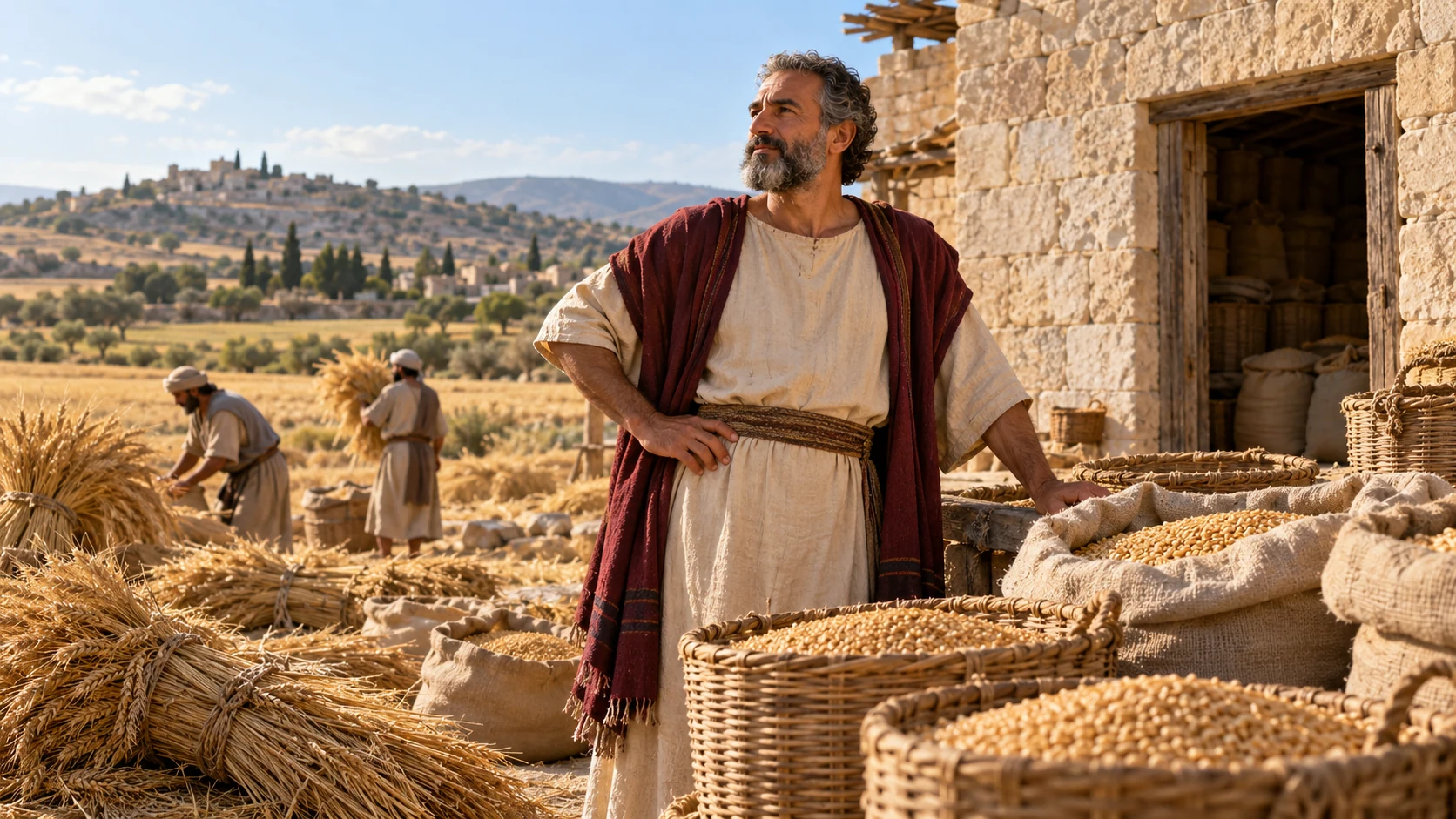
The rich man’s land produces plentifully. He asks himself what to do because he lacks room for the harvest. His solution is to tear down his barns and build larger ones to store his crops and goods.
The story does not accuse him of stealing the crop or cheating his workers. Neither does it say that producing a good harvest is sinful. His abundance creates an opportunity, and his response reveals what matters to him.
Everything in his plan turns inward. His concern is how to store and keep what he has acquired. There is no expressed gratitude to God and no thought of using the surplus to meet another person’s need.
As an application, consider the question we ask when we receive more than we expected. Do we think only about what we can keep or buy, or do we also ask how these resources can serve God and help others?
Stored Goods Cannot Guarantee Stored-Up Years
Read Luke 12:19–20; James 4:13–16.
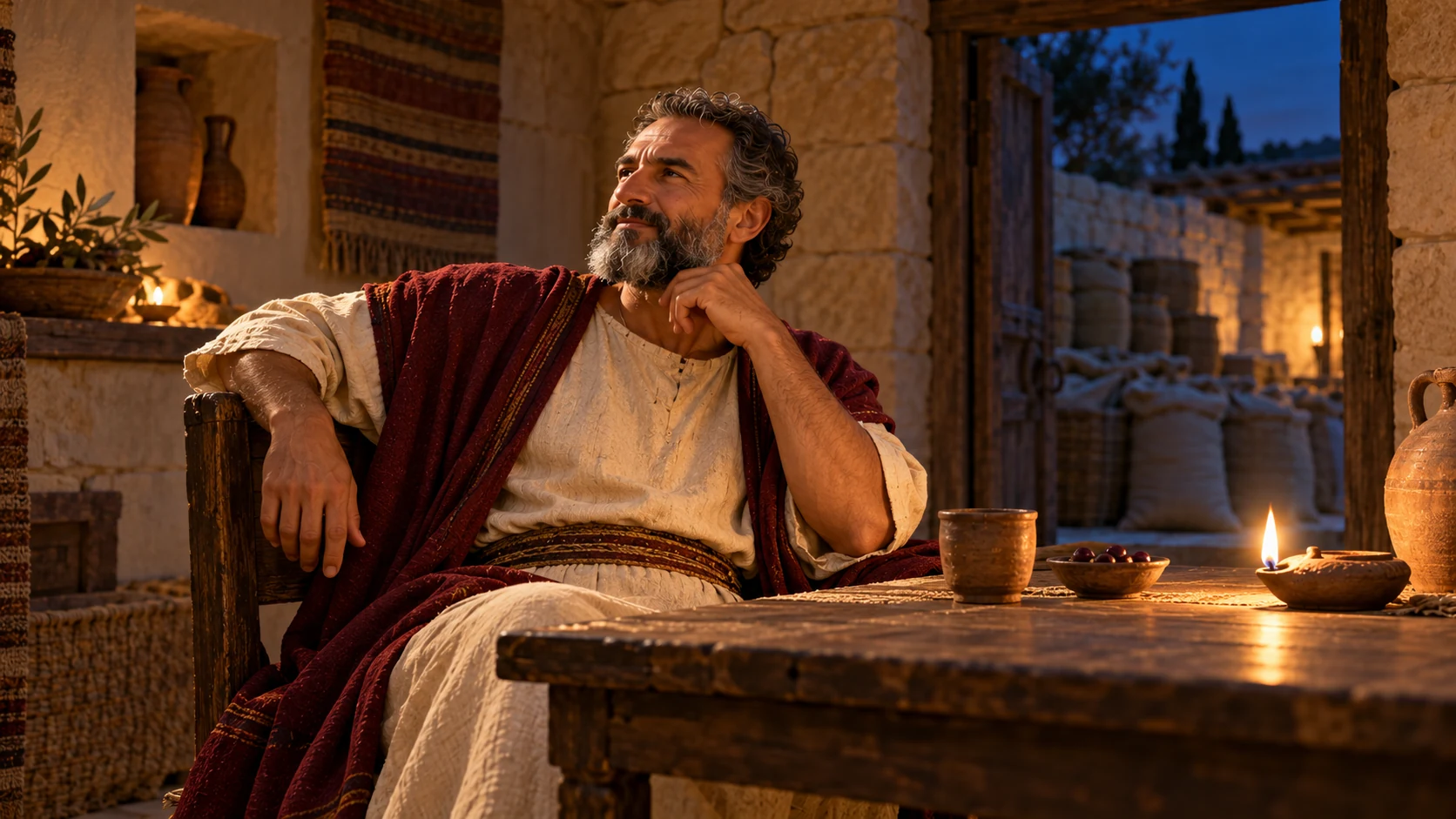
The man speaks to his own soul as though his possessions have settled the future. He imagines many years of ease, eating, drinking, and enjoyment. But God tells him that his life is required that very night and asks who will own what he prepared.
His barns can hold grain. They cannot hold tomorrow. His calculation includes the amount of his goods but assumes an amount of time that he does not possess.
James warns against a similar presumption when people confidently announce what they will do and earn in the coming year without recognizing their dependence on the Lord. Making plans is not the same as controlling the future.
Jesus’ warning should lead us to humility, not to constant fear of death. We can make responsible plans while recognizing that our lives depend on God. We should not postpone faithfulness until a future moment when we imagine we will finally have enough time or money.
The Problem Is More Than Having Money
Read Luke 12:21; 1 Timothy 6:17–19.
Jesus concludes by applying the story to the person who lays up treasure for himself and is not rich toward God. That conclusion tells us where to focus.
The lesson is not that every savings account, successful business, or period of rest is wrong. It is that accumulation for self becomes foolish when it takes the place of a life directed toward God.
Paul’s instructions to wealthy Christians help clarify the distinction. He tells them not to be proud or place their hope in uncertain riches, but in the living God. He also calls them to do good, be generous, and be ready to share.
Possessions become a spiritual danger when they become our hope, our measure of worth, or our reason for refusing to serve. Poverty does not automatically make a person faithful, and wealth does not prove that God approves of a person’s life. The question concerns our trust and our response to Him.
What Does It Mean to Be Rich Toward God?
Read Luke 12:22–34; Ephesians 4:28.
Immediately after the parable, Jesus teaches His disciples about anxiety, the Father’s care, and seeking His kingdom. He also speaks of giving and treasure in heaven, connecting the location of our treasure with the direction of our hearts.
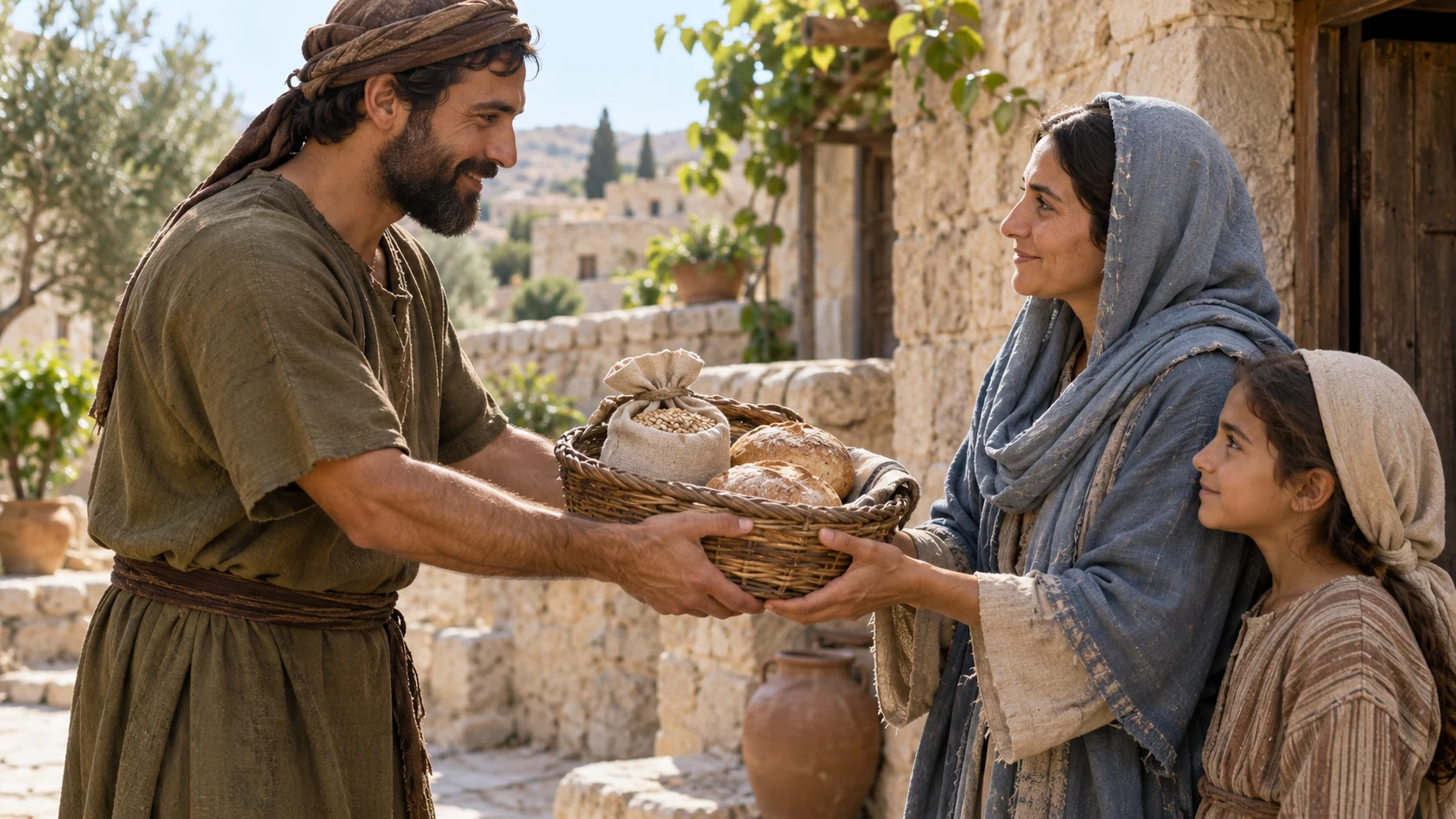
Being rich toward God involves valuing Him and His kingdom above the possessions we can gather. It means receiving material resources as things to use in His service rather than treating them as a substitute for Him.
Ephesians 4:28 gives honest work a purpose beyond personal consumption: having something to share with someone in need. A faithful use of resources can include caring for our household, helping a struggling neighbor, supporting the church’s work, and making time to serve.
Generosity does not purchase forgiveness or put God in our debt. It expresses the changed priorities of a person learning to trust and obey Him. The point is not to appear generous while remaining devoted to self, but to place our lives and resources under His direction.
Ask a Better Question Than “How Much More?”
Read Luke 12:15, 21; 1 Timothy 6:6–10.
Contentment does not require pretending that material needs are unimportant. It means refusing to make the endless pursuit of more the purpose of life. Paul warns that the desire to be rich and the love of money can lead people into destructive choices.
Examine a recent decision. Were you guided only by comfort, status, or the wish to keep everything for yourself? Or did you consider your responsibilities, another person’s need, and what would honor God?
Choose one practical response: thank God specifically for what you have, stop a comparison that fuels envy, meet a genuine need within your ability, or set aside time for a service you keep postponing. We cannot promise ourselves many years, but we can respond faithfully with the opportunities before us today.
Questions for Reflection
- Why does Jesus turn an inheritance dispute into a warning about covetousness?
- What assumption about the future makes the rich man’s plan foolish?
- How can you distinguish responsible provision from putting your hope in possessions?
- What do Luke 12:22–34 and 1 Timothy 6:17–19 add to your understanding of being rich toward God?
- What change in your use of money, possessions, or time would express greater trust in God this week?
Images are AI-generated illustrations of the parable and its application.
← All written Bible lessons