An illustrated Bible study
Saved Through Water: Noah, Baptism, and the Resurrection of Jesus
In this study
Listen to this lesson
Saved Through Water: Noah, Baptism, and the Resurrection of Jesus · Includes questions for reflection.
Download audio (MP3)We usually picture Noah’s ark when we think about the flood. Peter asks us to see something more: a connection between that ancient deliverance and our response to Jesus Christ.
How could water be involved in both judgment and salvation? And why does Peter bring baptism into the discussion?
To understand his answer, we must keep the entire passage together. Peter begins with Christ’s sacrifice, looks back to Noah, and then connects baptism with the resurrection and authority of Jesus.
The Passage Begins with Jesus
Read 1 Peter 3:18.
Before Peter mentions the ark or baptism, he explains what Christ accomplished. Jesus suffered for sins to bring us to God.
That is the foundation of the passage. Our deepest problem is not a lack of information or an uncomfortable conscience. It is sin and our need to be reconciled to God.
Jesus, the righteous One, suffered on behalf of unrighteous people. We cannot supply His sacrifice, repeat it, or replace it with a religious action.
Whatever Peter teaches about baptism must remain connected to the Savior who died and rose again. Baptism does not compete with Jesus’ saving work. Peter explains its significance through that work.
Noah Was Brought Safely Through Judgment
Read Genesis 6:8–22; 1 Peter 3:20; Hebrews 11:7.
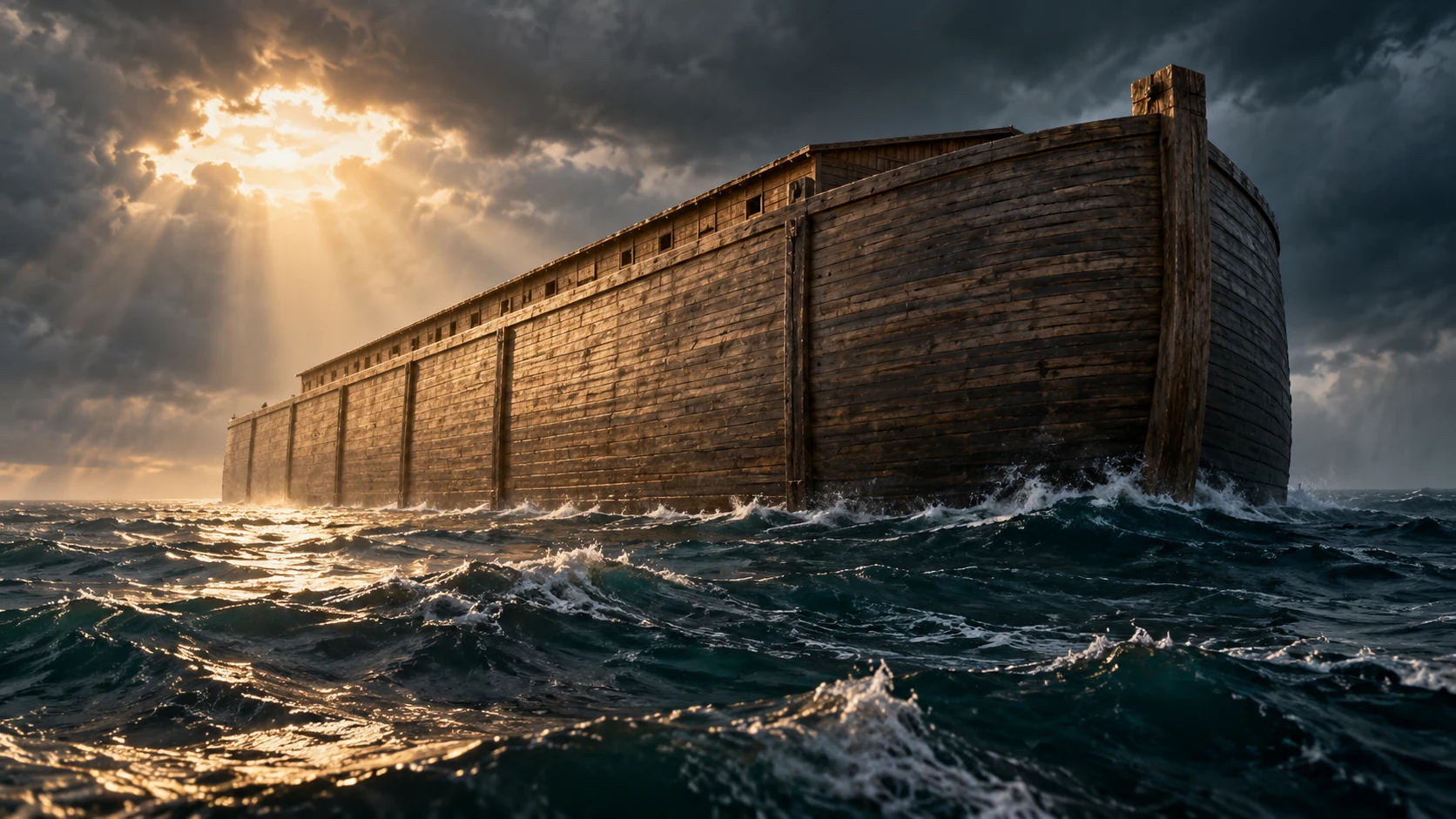
Noah lived in a world marked by corruption and violence. God announced judgment, but He also provided instructions for the ark and promised to preserve Noah and his household.
Noah responded through faith. He prepared the ark because he trusted God’s warning.
Peter recalls that eight people were brought safely through water. The floodwaters brought destruction upon the world, while God preserved those within the ark.
The water was not a substance with independent saving power. God provided the refuge and carried His promise through to fulfillment.
Neither should we describe the flood as forgiving the sins of those who perished. Peter’s comparison concerns deliverance through judgment, not a universal cleansing that reconciled everyone to God.
Peter Makes the Connection to Baptism
Read 1 Peter 3:21.
Peter identifies baptism as the corresponding reality to the deliverance he has just described.
The word “antitype” can sound unfamiliar. Here, it identifies a correspondence between the earlier event and what Peter is explaining to Christians. Noah’s deliverance provides a pattern that helps illuminate baptism.
We should follow the connection Peter actually makes without assigning a hidden meaning to every board, animal, or measurement of the ark.
We should also allow his statement about baptism to retain its force. He connects it with salvation. He does not present it as an unrelated ceremony.
But he immediately explains what kind of washing he means.
This Is More Than Washing the Body
Read 1 Peter 3:21; Acts 22:16.
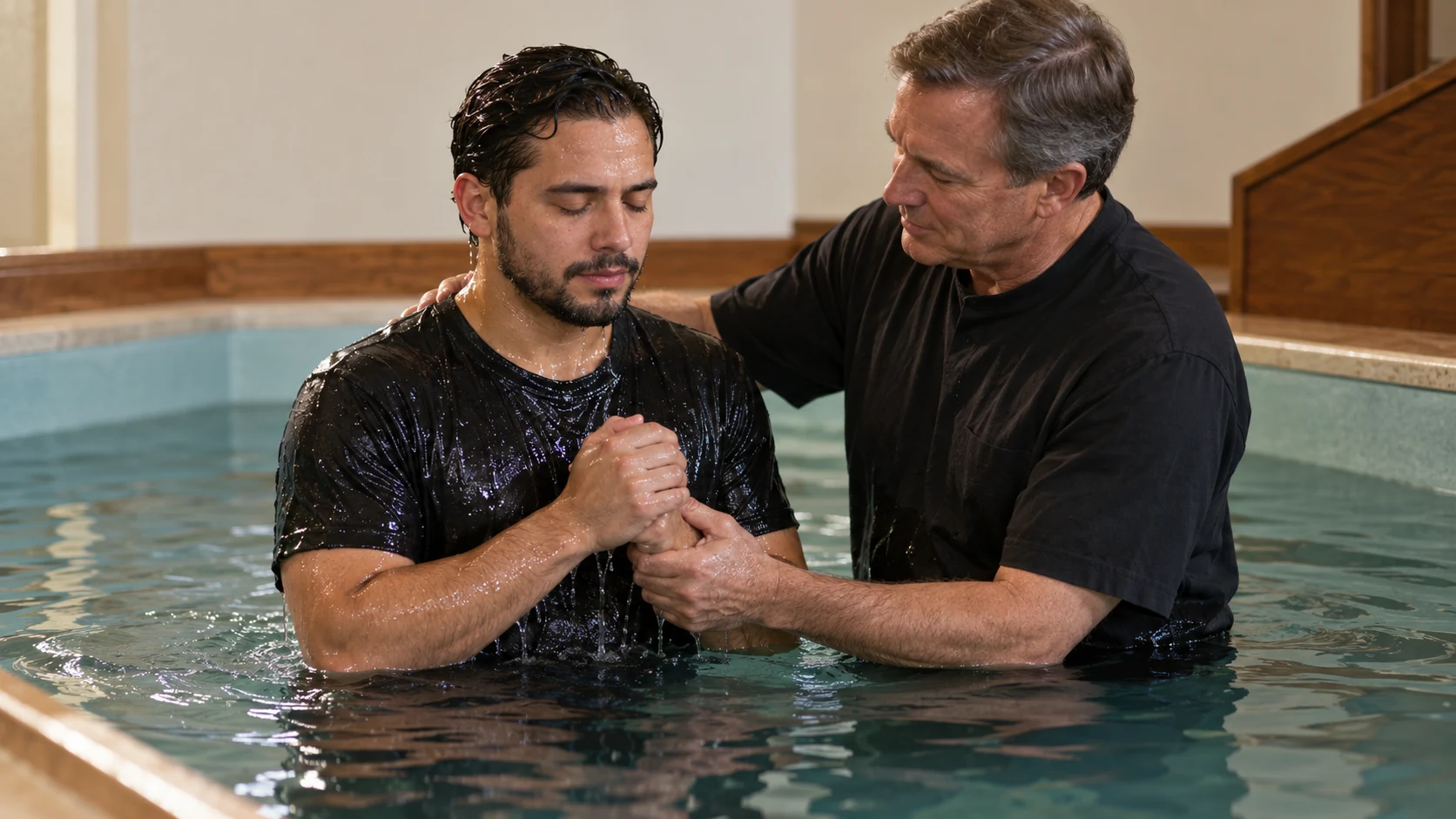
Peter distinguishes baptism from removing dirt from the body. An ordinary bath can clean the skin without addressing a person’s relationship with God.
The NKJV describes baptism in terms of a good conscience directed toward God. Peter’s concern reaches beyond an outward washing to our response to Him.
This does not mean we make ourselves innocent through the strength of our sincerity. A troubled conscience needs more than reassurance; sin needs forgiveness.
Acts 22:16 likewise connects baptism, the washing away of sins, and calling on the Lord. The person responds to God rather than trusting water as though it possesses magical power.
Baptism belongs within a believing response to Christ, not apart from Him.
The Saving Power Belongs to the Risen Christ
Read 1 Peter 3:21–22; Colossians 2:12–13.
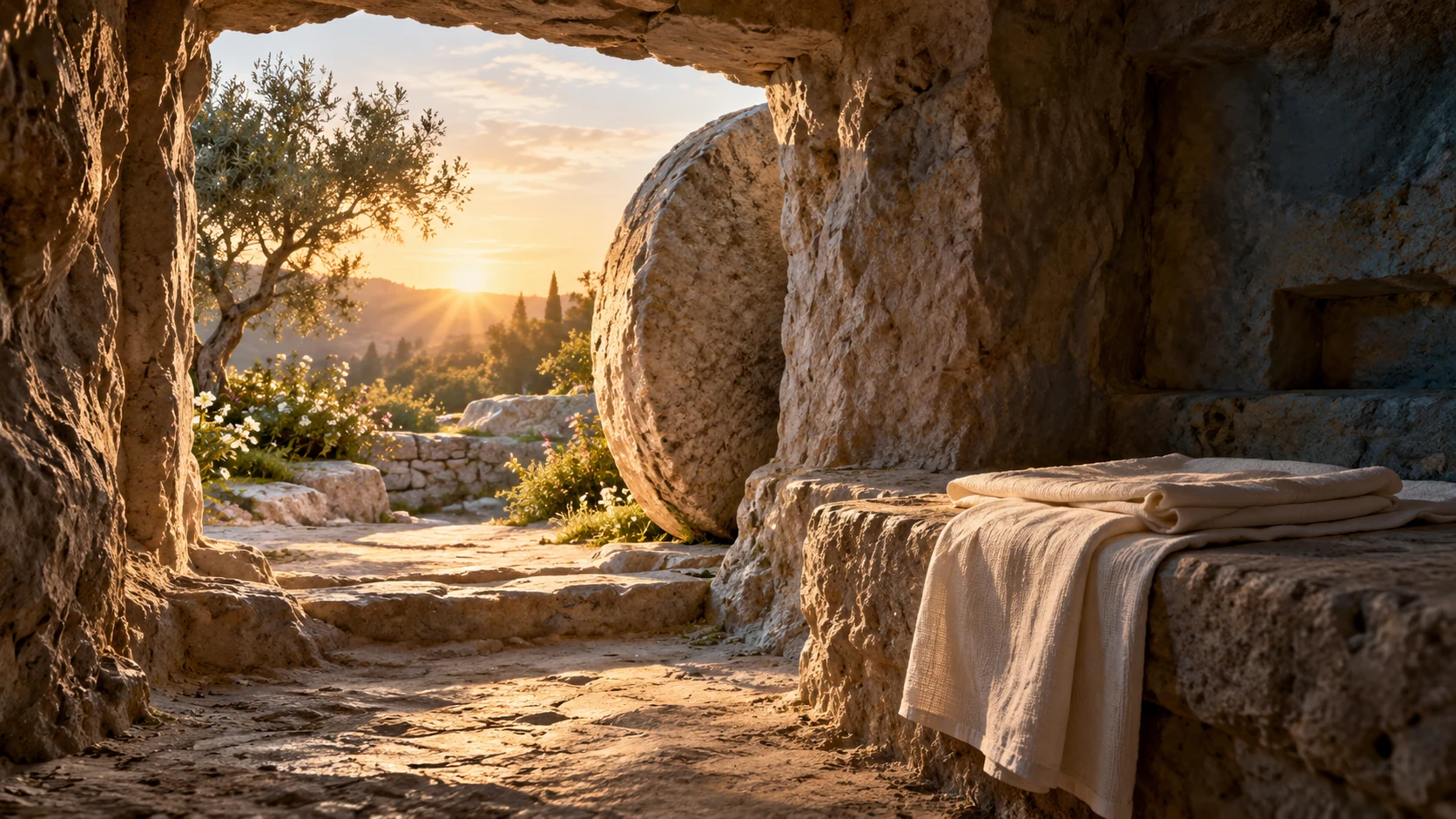
Peter explicitly connects baptism’s saving significance with Jesus’ resurrection. He then describes Jesus exalted at God’s right hand, with heavenly powers subject to Him.
Our confidence rests in that living Lord.
Colossians makes a related connection: believers are buried and raised with Christ in baptism through faith in God’s working. God makes alive and forgives.
That keeps us from two mistakes. We must not treat baptism as a human achievement that earns salvation. We must also avoid dismissing an instruction Scripture connects with receiving God’s saving work.
Faith relies on God enough to respond to Him.
Noah did not create the deliverance God promised. He trusted God and acted upon His word. Today, our hope is in the crucified and risen Jesus, whose instructions deserve that same trusting response.
Questions for Reflection
- Why is Christ’s suffering in verse 18 essential to understanding the discussion of baptism?
- How were the floodwaters connected with both judgment and Noah’s deliverance?
- What correspondence does Peter draw, and why should we avoid inventing additional symbolism?
- Why does Peter distinguish baptism from an ordinary washing?
- How does Colossians 2:12–13 help us understand the relationship between faith, baptism, and God’s saving power?
Images are AI-generated illustrations, not photographs of actual events or verified portraits.
← All written Bible lessons